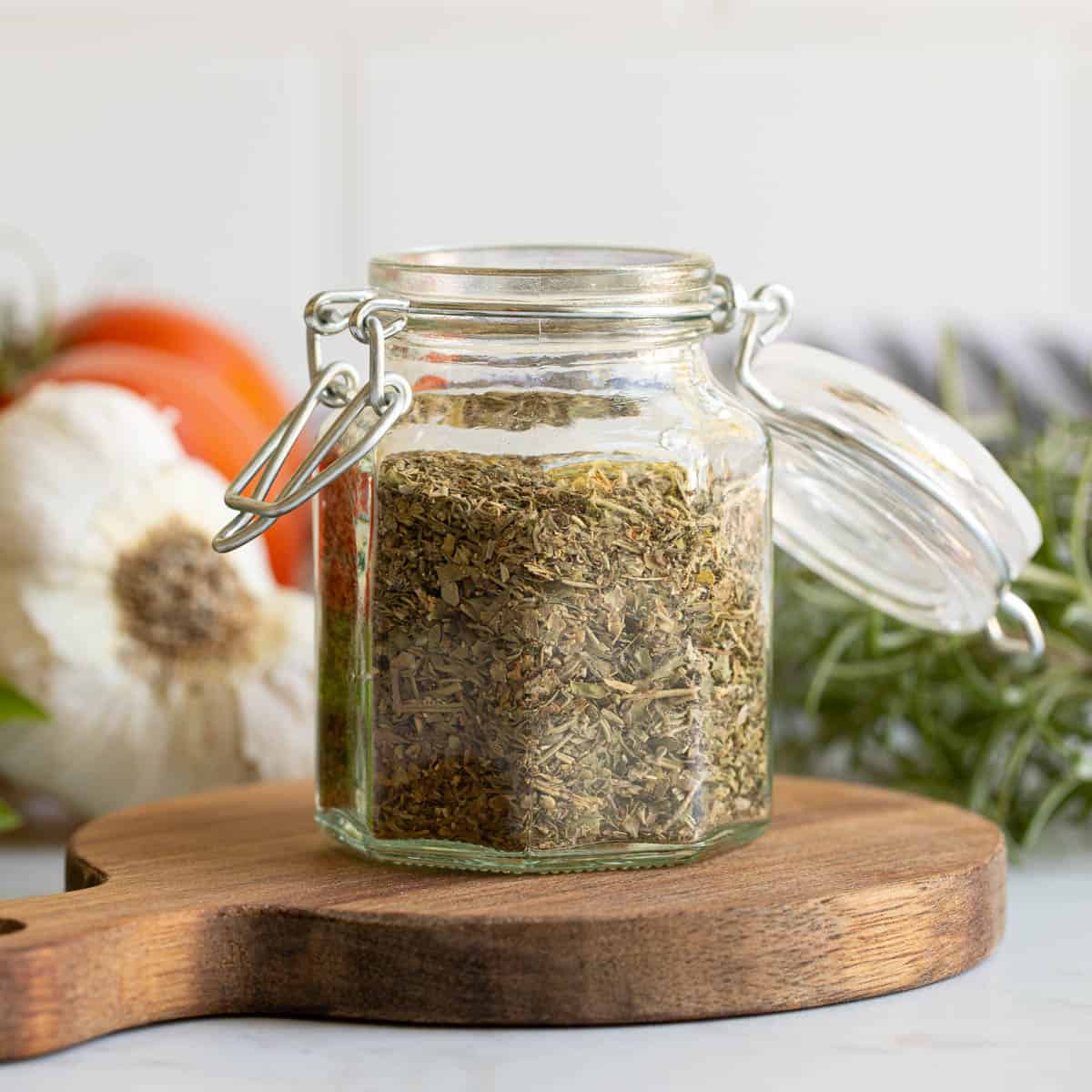
Skip the Store: Easy Homemade Italian Seasoning in Minutes
Imagine a culinary secret weapon, always at your fingertips, ready to transform ordinary dishes into Italian-inspired masterpieces. What if this magic blend was not only superior in flavor but also cost-effective and completely customizable? Welcome to the wonderful world of homemade italian seasoning. Forget those small, often stale store-bought jars; whipping up your own vibrant herb mix is an effortless task that yields incredible rewards in your kitchen.
For home cooks who cherish fresh, potent flavors and appreciate the convenience of a ready-made blend, creating your own Italian seasoning is a game-changer. It takes mere minutes, requires only a few common dried herbs you likely already have in your pantry, and opens up a world of aromatic possibilities. From robust pasta sauces to succulent roasted vegetables, hearty soups to flavorful marinades, this versatile blend is your ticket to infusing genuine Italian warmth into every meal. It's time to elevate your cooking and discover the true essence of homemade goodness.
Why Ditch Store-Bought for Homemade Italian Seasoning?
The allure of pre-mixed spice blends on supermarket shelves is undeniable – they promise convenience and consistent flavor. However, once you experience the difference of a freshly prepared homemade italian seasoning, you'll understand why it's worth the minimal effort. Here’s why making your own blend is a superior choice:
- Unmatched Freshness and Potency: Spices and dried herbs, much like any food product, lose their potency over time. Store-bought blends can sit on shelves for months, diminishing their aromatic oils and vibrant taste. When you blend your own, you're using fresh herbs from your own stock, ensuring maximum flavor impact. This means less seasoning needed to achieve a more profound taste.
- Complete Customization to Your Palate: This is arguably the biggest advantage. Do you prefer a basil-forward blend, or are you a fan of rosemary's piney notes? Want a touch of heat or extra garlic? Store-bought blends offer no flexibility. With homemade, you are the master chef. You can adjust ratios, add extra ingredients like red pepper flakes for a kick, or include a touch of garlic powder for deeper savoriness. This freedom allows you to tailor the seasoning to perfectly suit your family's preferences and the specific dish you're preparing. For deeper insights into tweaking your blend, explore our guide on Customize Your Italian Seasoning: Herbs for Every Taste.
- Cost-Effectiveness in the Long Run: While buying individual spice jars might seem more expensive initially, consider the unit cost. Small pre-mixed Italian seasoning jars often carry a premium. By purchasing larger quantities of individual dried herbs (which you'll use in many other recipes anyway), you significantly reduce the cost per use for your homemade blend. It's an investment that pays dividends in flavor and savings.
- Control Over Ingredients: Ever read the ingredient list on a store-bought seasoning and wonder about the "anti-caking agents" or unexpected amounts of salt? When you make your own, you know exactly what goes into it. This is particularly beneficial for those managing sodium intake or avoiding specific additives. Your blend will be pure, unadulterated flavor.
- Convenience That Truly Delivers: Having a pre-mixed jar of your perfect italian seasoning ready to go is incredibly convenient. Instead of fumbling through multiple spice jars every time a recipe calls for Italian flavors, you simply reach for one, perfectly balanced blend. This not only saves time but also streamlines your cooking process, making meal prep a breeze.
The Core Ingredients: What Goes into Authentic Italian Seasoning?
At its heart, italian seasoning is a symphony of dried green herbs, each contributing its unique voice to create a harmonious blend. While variations exist, certain herbs form the indispensable backbone of nearly every authentic mixture. Understanding these core components is key to crafting your perfect blend.
The foundational quartet of Italian seasoning includes:
- Dried Oregano: The robust, earthy, and slightly bitter notes of oregano are quintessential to Italian cuisine. It's the dominant flavor in many traditional sauces and imparts a distinct Mediterranean aroma.
- Dried Basil: Sweet, peppery, and slightly minty, basil brings a bright, aromatic sweetness that perfectly complements the earthiness of oregano. It's a cornerstone of classic red sauces.
- Dried Rosemary: With its pine-like, pungent, and woody flavor, rosemary adds a sophisticated depth. It pairs beautifully with roasted meats and vegetables, lending a distinctly rustic Italian character.
- Dried Thyme: Earthy, minty, and subtly lemon-like, thyme is a versatile herb that provides a delicate balance and bridges the flavors of the other more dominant herbs.
Beyond these essentials, many excellent italian seasoning blends also incorporate:
- Dried Marjoram: Often described as a sweeter, milder cousin to oregano, marjoram adds a delicate floral and woodsy note, softening the blend and adding complexity. If you don't have it, you can slightly increase oregano or basil.
- Dried Sage: Pungent, slightly bitter, and warm, sage introduces an ancient, earthy character that's particularly wonderful with richer meats or hearty vegetable dishes. Use sparingly as its flavor can be quite assertive.
Optional Additions for Personalization:
While traditional blends often stick to just dried herbs, you can truly make your italian seasoning unique by incorporating a few extra spices. These additions can transform the blend, catering to specific tastes or dishes:
- Garlic Powder: For an unmistakable savory depth that enhances almost any dish. Add 1-2 tablespoons per ½ cup of herb blend. Ensure a thorough mix as granules can settle.
- Onion Powder: Similar to garlic powder, it provides an underlying layer of umami and sweetness.
- Red Pepper Flakes: If you enjoy a bit of warmth and a subtle kick, a teaspoon or tablespoon of red pepper flakes (depending on desired heat level) can add a delightful zing.
- A Touch of Salt: While many prefer to control salt separately, adding a small amount of fine sea salt (e.g., 1-2 teaspoons per ½ cup of herbs) creates a complete "all-in-one" blend that's ready to season. Just remember to account for it when adding salt to your overall dish.
A Note on Fresh Herbs: While fresh herbs are undeniably vibrant, this particular blend is designed for dried herbs due to their concentrated flavor and extended shelf life. If you were to substitute fresh for dried in a recipe, you'd typically need about three times the amount of fresh herbs, and the seasoning itself would only last a few days in the refrigerator.
Crafting Your Blend: A Simple Step-by-Step Guide
Making your homemade italian seasoning is incredibly straightforward. With a few measuring spoons and a suitable container, you'll have a superior blend ready in mere minutes. Here’s a tried-and-true recipe to get you started, which you can then customize to your heart’s content.
Our Go-To Homemade Italian Seasoning Recipe
This recipe yields approximately ½ cup of seasoning, a perfect amount to start with, ensuring freshness and easy storage.
Ingredients:
- 2 tablespoons dried oregano
- 2 tablespoons dried basil
- 1 tablespoon dried rosemary
- 1 tablespoon dried thyme
- 1 teaspoon dried marjoram (optional, but highly recommended for depth)
- ½ teaspoon dried sage (optional, use sparingly if you prefer milder flavors)
- 1 tablespoon garlic powder (optional, for extra savoriness)
- 1 teaspoon red pepper flakes (optional, for a little heat)
Instructions:
- Gather Your Tools: You'll need clean, dry measuring spoons and a small, airtight container. An old spice jar, a small glass canning jar with a lid, or a dedicated spice storage tin are all excellent choices.
- Measure with Precision: Carefully measure out each dried herb and any optional additions into your chosen container. It's helpful to add the larger quantities first, then the smaller ones.
- Combine Thoroughly: Once all the ingredients are in the container, secure the lid tightly. Then, shake vigorously for about 30-60 seconds to ensure all the herbs and spices are evenly distributed. If you've added garlic powder or red pepper flakes, which can be denser, a good shake is crucial to prevent them from settling at the bottom. Alternatively, you can stir them together with a small spoon.
- Label and Store: Don't forget to label your container with the blend's name and the date you made it. This helps you keep track of its freshness.
Storage Best Practices for Optimal Freshness:
To preserve the vibrant flavors and aromas of your homemade italian seasoning for as long as possible, proper storage is key:
- Airtight Container is Essential: Exposure to air is the enemy of dried herbs and spices. Always store your blend in a tightly sealed, airtight container.
- Seek a Dark, Cool Place: Light and heat accelerate the degradation of essential oils in herbs. Keep your seasoning in a dark cabinet, pantry, or a drawer away from direct sunlight or heat sources like your stove or oven.
- Shelf Life: When stored correctly, your homemade Italian seasoning will remain fresh and potent for up to 6 months. While it won't "go bad" in the traditional sense, its flavor will gradually diminish past this point. For best results, consider making smaller batches more frequently.
Unleash the Flavor: Versatile Uses for Your Homemade Italian Seasoning
Now that you've got your beautiful, aromatic homemade italian seasoning ready, it's time to put it to work! This versatile blend is far more than just a pasta sauce ingredient; it's a one-stop flavor booster for countless dishes. Here are some of the myriad ways you can elevate your cooking:
- Pasta & Sauces: This is the classic application! Stir generously into homemade marinara, bolognese, or creamy Alfredo sauces. Sprinkle into lasagna layers, baked ziti, or even your pasta water for an extra layer of flavor. It's also fantastic mixed into ricotta for stuffed shells or manicotti.
- Roasted Vegetables & Potatoes: Transform humble vegetables into irresistible side dishes. Toss chopped zucchini, bell peppers, onions, asparagus, broccoli, or potatoes with olive oil and a hearty sprinkle of italian seasoning before roasting. It creates a savory, aromatic crust that’s utterly delicious.
- Marinades & Rubs: Create instant flavor for meats, poultry, fish, and plant-based proteins. Combine with olive oil, a splash of vinegar or lemon juice, and a dash of salt and pepper for a quick marinade for chicken breasts, pork chops, beef steaks, or tofu. For a dry rub, simply mix with salt and pepper and massage into your protein before grilling, baking, or pan-frying.
- Soups & Stews: Infuse your comforting bowls with rich, herbaceous notes. It's a natural fit for minestrone, Italian wedding soup, lentil soup, or any hearty vegetable or bean stew. Add it early in the cooking process to allow the flavors to meld beautifully.
- Bread & Dips: Elevate your bread service. Mix with good quality olive oil for a quick and elegant bread dip. Sprinkle over homemade focaccia dough before baking, or mix into butter for an aromatic garlic bread spread. It's also excellent kneaded into homemade bread or pizza dough.
- Dressings & Vinaigrettes: Whisk into your homemade salad dressings. It pairs exceptionally well with balsamic vinaigrette, red wine vinaigrette, or even a creamy Italian-style dressing, adding depth and a gourmet touch.
- Casseroles & One-Pan Meals: A fantastic addition to any casserole, from classic Johnny Marzetti to chicken and rice bakes. It ensures every component of your dish is seasoned to perfection, tying all the flavors together.
- Breakfast & Brunch: Don't limit it to dinner! Sprinkle into scrambled eggs, frittatas, omelets, or quiches for a savory twist. It also works wonderfully in savory muffins or breakfast sausages.
- Pizza & Sandwiches: Give your homemade or even store-bought pizza an upgrade with a sprinkle before baking. Add a pinch to cold-cut sandwiches, especially Italian subs, for an authentic deli flavor.
- Beyond Italian: Don't let the name restrict you! Experiment with it in non-Italian dishes for a burst of herbaceous flavor. Try it in meatloaf, meatballs, or even as a seasoning for popcorn.
The beauty of homemade italian seasoning lies in its incredible adaptability. It seamlessly blends into a myriad of recipes, adding that distinct, beloved Italian essence with minimal effort. Think of it as your flavorful shortcut to deliciousness, ready to zhuzh up any meal you create.
Conclusion
Embracing the simplicity and superiority of homemade italian seasoning is one of the most rewarding culinary shifts you can make. In just a few minutes, you can create a vibrant, potent, and perfectly customized herb blend that far surpasses anything you'll find on a store shelf. Beyond the cost savings and the control over ingredients, there's immense satisfaction in knowing you've crafted something exceptional with your own hands. From enhancing everyday weeknight meals to impressing guests with your flavorful creations, this versatile seasoning will quickly become an indispensable staple in your kitchen. So, skip the store, gather your favorite dried herbs, and unlock a world of authentic Italian flavor—one pinch at a time.
