The Allure of Italian Seasoning: Why This Blend is a Kitchen Essential
Imagine a single sprinkle transforming your weeknight dinner from ordinary to extraordinary, infusing it with the sun-drenched flavors of the Mediterranean. That's the magic of Italian seasoning – a culinary cornerstone for home cooks and seasoned chefs alike. Far more than just a mix of dried herbs, this versatile blend is a testament to the power of well-chosen spices, offering a shortcut to deliciousness in countless dishes. From comforting pasta sauces to vibrant roasted vegetables, Italian seasoning stands ready in your pantry, promising an aromatic escape with every use. It's the secret weapon that elevates your cooking, making it easier than ever to achieve that sought-after authentic Italian-American taste without juggling a dozen different spice jars.
For those of us who cherish a well-organized spice drawer but still rely on efficiency, a pre-mixed blend like Italian seasoning is a true game-changer. Instead of meticulously measuring out individual herbs each time, you can reach for this convenient blend and instantly impart a harmonious symphony of flavors. It’s a versatile hero, capable of adapting to a wide array of recipes and culinary styles, proving itself indispensable for quick meals, elaborate feasts, and everything in between.
Unlocking Flavor: Homemade vs. Store-Bought Italian Seasoning
While store-bought Italian seasoning is readily available, crafting your own at home offers a multitude of benefits that extend beyond mere convenience. Making your own blend ensures unparalleled freshness, allowing the vibrant aromas and flavors of each herb to truly shine. Commercial blends, on the other hand, can sometimes contain fillers, anti-caking agents, or excessive salt, often sacrificing potency for shelf stability.
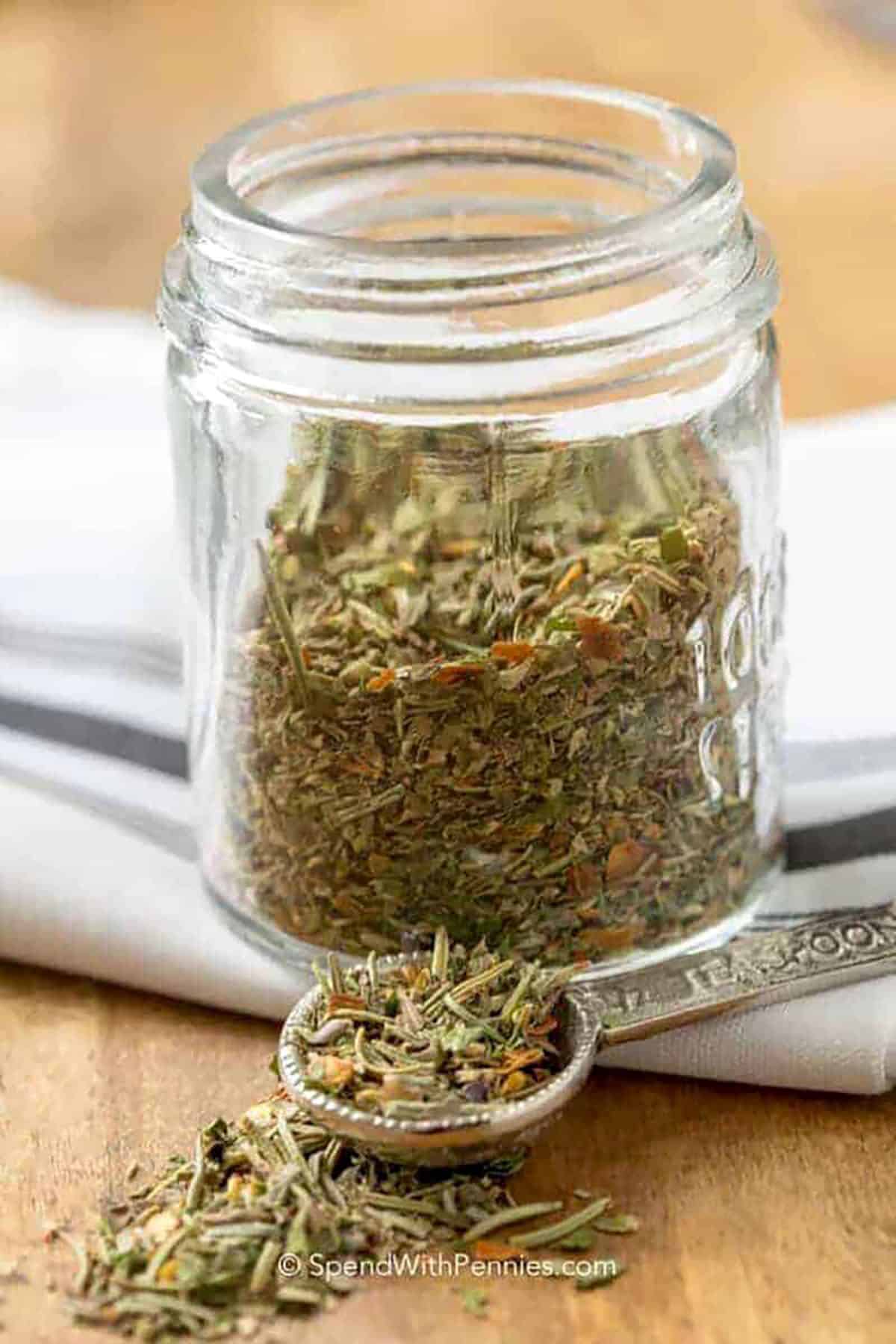
The beauty of homemade Italian seasoning lies in its simplicity. With just a few staple dried herbs – typically oregano, basil, rosemary, and thyme – you can create a superior blend in minutes. This not only guarantees a fresher, more potent flavor profile but also empowers you to customize your Italian seasoning to perfectly suit your palate. Want a little more basil? Prefer a stronger hint of rosemary? You're in control. This level of customization is simply not possible with pre-packaged options.
Economically, making your own blend can also be surprisingly cost-effective in the long run. Buying individual dried herbs in larger quantities often proves cheaper per gram than purchasing smaller, pre-mixed jars. Plus, knowing exactly what goes into your seasoning offers peace of mind, especially for those with dietary restrictions or specific health goals. Once you've experienced the superior flavor of a freshly made batch, you'll likely find yourself skipping the store-bought versions altogether.
Beyond Pasta: Creative Ways to Use Italian Seasoning
The term "Italian seasoning" immediately conjures images of bubbling pasta sauces and rich lasagna, and rightly so. It's a fundamental component of countless classic Italian-American dishes, seamlessly integrating into marinara, Bolognese, and even creamy Alfredo sauces. However, the true brilliance of this spice blend lies in its remarkable versatility, extending its aromatic embrace far beyond the realm of pasta.
Transforming Everyday Meals with a Sprinkle
- Roasted Vegetables & Potatoes: Elevate simple roasted vegetables like zucchini, bell peppers, onions, carrots, or broccoli. Toss them with olive oil, a generous sprinkle of Italian seasoning, and a pinch of salt before roasting to perfection. The herbs caramelize slightly, creating an irresistible aroma and depth of flavor. This also works wonders on roasted potatoes, turning them into a crispy, herbaceous delight. For an extra touch, try it on baked zucchini fries or roasted onions.
- Marinades for Meats and Tofu: Italian seasoning is a cornerstone of a flavorful marinade. Combine it with olive oil, garlic, lemon juice or vinegar, and a touch of salt and pepper to create a quick marinade for chicken breasts, steak, pork chops, or firm tofu. Let your proteins soak up the flavors for at least 30 minutes (or longer for deeper infusion) before grilling, baking, or pan-frying.
- Soups and Stews: While classics like Minestrone or Italian Wedding Soup are obvious choices, don't limit yourself. A spoonful of Italian seasoning can invigorate any savory soup or stew. Add it early in the cooking process, perhaps when sautéing aromatics like onions and garlic, to allow the flavors to bloom and meld beautifully. It's fantastic in lentil soup, hearty beef stews, or even a simple chicken noodle soup.
- Breads, Dips, and Appetizers: Mix Italian seasoning with good quality olive oil for an instant, aromatic bread dip – perfect for crusty Italian bread. For an extra layer of flavor, add a splash of balsamic vinegar. You can also sprinkle it onto focaccia dough before baking, add it to homemade croutons, or mix it into softened cream cheese for a savory spread on crackers or bagels.
- Homemade Dressings and Vinaigrettes: Whisk Italian seasoning into your favorite homemade salad dressings. It pairs exceptionally well with a balsamic vinaigrette, red wine vinegar-based dressings, or even a simple lemon-olive oil blend, adding an herbal complexity that store-bought dressings often lack.
- Casseroles and Bakes: From hearty Johnny Marzetti to comforting Cabbage Roll Casserole, Italian seasoning is a natural fit for any savory bake. Integrate it into the layering of ingredients, mix it into the sauce, or sprinkle it on top before baking for an extra burst of flavor and a beautiful crust.
- Eggs and Breakfast Dishes: Think beyond dinner! A pinch of Italian seasoning can elevate scrambled eggs, omelets, or frittatas. It adds a sophisticated herbal note that brightens up your morning routine.
- Pizza and Sandwiches: Whether you're making homemade pizza or heating up a frozen one, a dash of Italian seasoning over the top before baking enhances the flavor significantly. It's also fantastic sprinkled onto Italian subs, paninis, or even a simple grilled cheese for an unexpected twist.
Mastering Your Blend: Customization Tips and Storage
The foundation of most Italian seasoning blends includes four key dried herbs: oregano, basil, rosemary, and thyme. Oregano brings an earthy, slightly peppery warmth, basil offers a sweet, anise-like aroma, rosemary provides a pungent, piney note, and thyme contributes a delicate, savory woodiness. This core quartet forms a balanced and versatile base.
Customizing Your Perfect Italian Seasoning
Once you have this core blend, the real fun begins with customization. This is where you truly make the seasoning your own. Here are some popular additions and variations:
- Marjoram: Often described as a sweeter, milder cousin to oregano, marjoram adds a lovely floral and slightly citrusy note. It's a common inclusion in many commercial blends and can deepen the complexity of your homemade mix.
- Sage: For a more robust, earthy, and slightly peppery flavor, a touch of dried sage can be a wonderful addition, particularly if you plan to use your seasoning with poultry or pork.
- Garlic Powder: While not a traditional herb, garlic powder is frequently found in store-bought Italian seasonings. Adding 1-2 tablespoons can provide an instant savory depth. Just remember to mix thoroughly, as powders tend to settle.
- Onion Powder: Similar to garlic powder, onion powder can add another layer of foundational savory flavor.
- Red Pepper Flakes: If you enjoy a little heat, incorporate red pepper flakes. Start with a teaspoon and adjust to your desired spice level, adding up to a tablespoon for a noticeable kick.
- Salt: Most homemade Italian seasonings are salt-free, allowing you to control the sodium content in your dishes. However, some prefer to add fine sea salt directly to the blend for an all-in-one seasoning. If you do, remember to reduce salt elsewhere in your recipe.
Experiment with quantities and combinations to discover your signature blend. For more detailed guidance on different herb combinations and their impact, check out our article on Customize Your Italian Seasoning: Herbs for Every Taste.
Fresh vs. Dried Herbs: A Quick Guide
While this article focuses on dried herbs for their convenience and shelf life, it's worth noting you can use fresh herbs. Remember that fresh herbs are more potent but have a much shorter shelf life. As a general rule, you'll need approximately three times more fresh herbs than dried herbs to achieve a similar intensity of flavor in your recipes.
Optimal Storage for Maximum Freshness
To ensure your homemade Italian seasoning remains potent and flavorful, proper storage is crucial. Transfer your blend to an airtight container, such as a glass jar, an old cleaned spice container, or a small glass container with a tight-fitting lid. Store it in a cool, dark place like your cabinet or pantry, away from direct sunlight and heat, which can degrade the herbs' oils and diminish their flavor. When stored correctly, homemade Italian seasoning typically stays fresh and potent for up to six months. For best practice, label your container with the date you made it.
Conclusion
Italian seasoning is far more than just a convenience blend; it's a culinary powerhouse that promises to elevate virtually any dish. From its foundational role in beloved Italian-American cuisine to its surprising versatility in everyday cooking, this aromatic mix is a true pantry essential. By choosing to make your own, you unlock a world of fresh, customizable flavor, free from unwanted additives, and tailored precisely to your preferences. Embrace the ease and richness that Italian seasoning brings to your kitchen, and prepare to transform simple ingredients into memorable meals with just a flick of the wrist. So, grab your dried herbs, blend your bespoke mix, and start experimenting – your taste buds will thank you.
