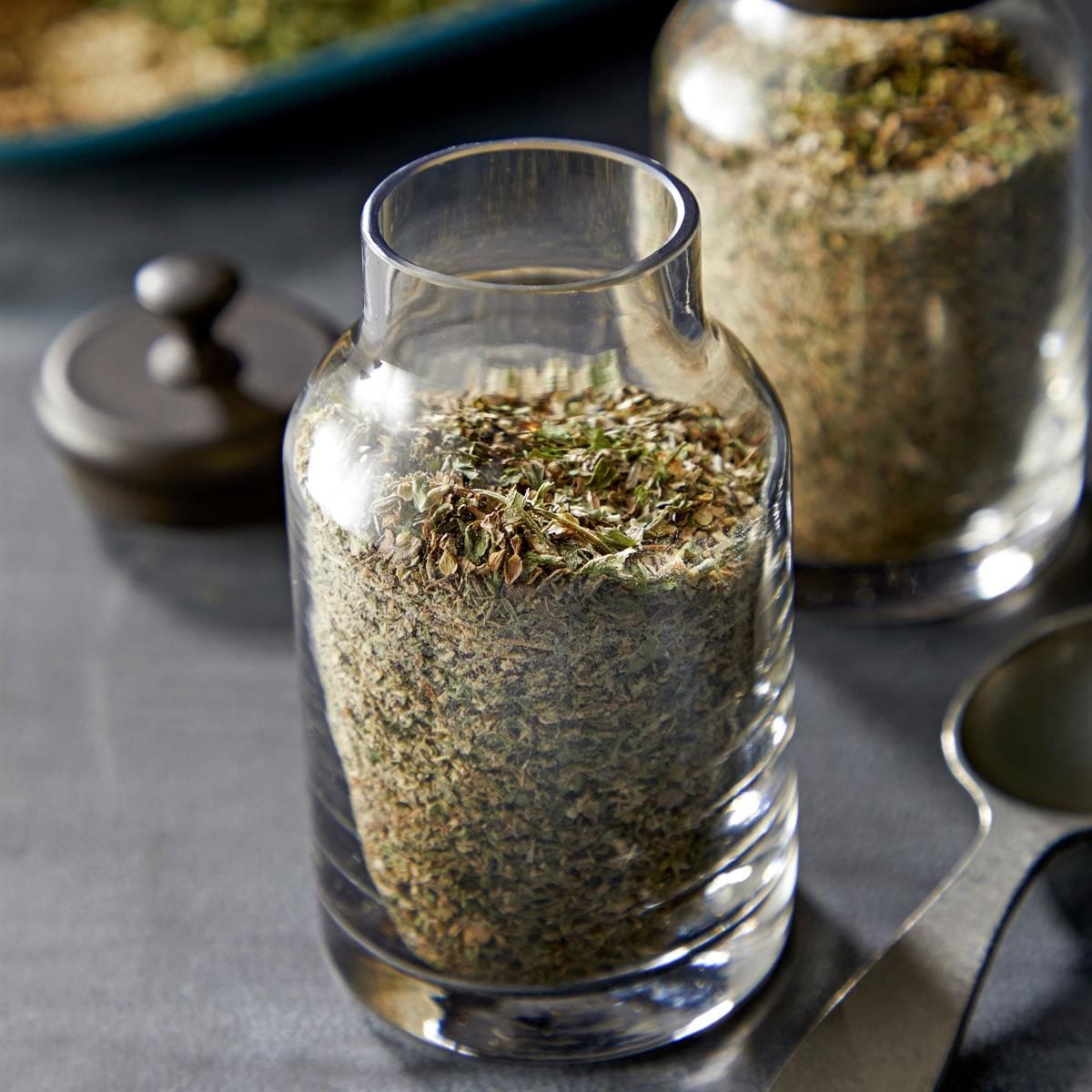
Customize Your Italian Seasoning: Herbs for Every Taste
Tired of generic, store-bought spice blends that fall flat? Imagine a homemade
italian seasoning blend, perfectly tuned to your palate, ready to transform everyday meals into culinary masterpieces. While pre-mixed seasonings offer convenience, crafting your own opens a world of flavor possibilities, allowing you to control freshness, intensity, and even introduce unique notes. Skip the guesswork and embark on a delicious journey to create your signature blend, tailored precisely to your family’s preferences.
The beauty of homemade
italian seasoning lies in its versatility. It's not just about replicating a classic; it's about making it *yours*. From vibrant pasta sauces to succulent roasted vegetables, savory marinades, and hearty soups, a personalized herb mix elevates any dish. No longer will you be pulling out individual spice jars every time you crave that authentic Italian flavor – your custom blend will be on hand, a testament to your culinary creativity.
The Classic Foundation: Essential Herbs for Your Italian Seasoning Blend
Every great
italian seasoning starts with a strong foundation of core herbs. These are the aromatic pillars that define the distinct character of the blend, offering a harmonious symphony of earthy, pungent, and sweet notes. Understanding their individual profiles is key to building your perfect mix.
*
Dried Oregano: Often considered the cornerstone of Italian cuisine, oregano brings a robust, slightly bitter, and peppery flavor. It’s assertive and provides a warm, Mediterranean depth. Think pizza, pasta sauces, and grilled meats.
*
Dried Basil: Sweet, aromatic, and slightly peppery, basil offers a bright, herbaceous lift to any dish. It’s less pungent than oregano and provides a fresh, green counterpoint. Essential for tomato-based sauces and lighter preparations.
*
Dried Thyme: With its earthy, minty, and subtly lemony undertones, thyme adds a refined, herbaceous complexity. It pairs wonderfully with roasted vegetables, poultry, and stews, providing a grounding note.
*
Dried Rosemary: This potent, piney, and slightly camphoraceous herb delivers a powerful aroma and flavor. Use it sparingly to impart a woody, resinous quality that complements lamb, potatoes, and robust red sauces. Its strong character means a little goes a long way.
Beyond these four cornerstones, many classic
italian seasoning blends also incorporate:
*
Dried Marjoram: A close cousin to oregano, marjoram is milder, sweeter, and more delicate, with a slightly floral and citrusy note. It can soften the edges of a blend or be used to replace oregano for a gentler flavor profile.
*
Dried Sage: Earthy, savory, and slightly peppery with a hint of pine, sage is a robust herb that brings warmth and depth. It’s particularly excellent with pork, poultry, and creamy sauces.
By experimenting with the ratios of these essential herbs, you begin to sculpt the core personality of your homemade
italian seasoning. Want a bolder, more rustic blend? Lean into oregano and rosemary. Prefer something brighter and more fragrant? Increase the basil and marjoram.
Beyond the Basics: Exciting Additions to Your Customized Italian Seasoning
Once you've mastered the foundational herbs, the real fun begins: introducing additional spices and aromatics to truly customize your
italian seasoning. These optional ingredients allow you to inject personality, heat, and extra layers of savory deliciousness.
Here are some popular and inventive additions to consider:
*
Garlic Powder: A ubiquitous flavor enhancer, garlic powder adds a deep, savory, umami note that complements nearly all Italian dishes. Add 1-2 tablespoons per ½ cup of herb blend for a pronounced garlic presence. Remember to mix thoroughly, as the granules can settle.
*
Onion Powder: Offering a milder, sweeter, and less pungent onion flavor than fresh, onion powder contributes another layer of savory depth without overwhelming the herbs.
*
Red Pepper Flakes: For those who appreciate a touch of heat, red pepper flakes are an excellent addition. Start with ½ to 1 teaspoon for a subtle warmth and adjust upwards to 1 tablespoon for a noticeable kick. This is perfect for spicier marinara sauces or dishes that need an extra zing.
*
Fine Sea Salt: While many prefer to salt their dishes separately, adding a small amount of salt to your blend can enhance the overall flavor profile. However, be mindful if you do this, as it reduces your control over the sodium content in the final dish. A good practice is to keep the blend salt-free and add salt to taste during cooking.
*
Crushed Fennel Seeds: A characteristic flavor in Italian sausage, crushed fennel seeds offer a subtle anise-like sweetness and a hint of licorice. They pair beautifully with pork, chicken, and rich tomato sauces. Grind them lightly in a mortar and pestle before adding for maximum aroma.
*
Dried Savory: This often-overlooked herb has a peppery, slightly minty, and piney flavor. It adds a unique, earthy complexity that can elevate roasted meats and vegetable dishes.
*
Dried Mint: While unconventional for some, a *very* small amount of dried mint can introduce an unexpected brightness and freshness, particularly in lighter pasta dishes or dressings. Use with extreme caution as it can quickly dominate.
*
Ground Bay Leaf: For a subtle, slightly floral, and warm note, finely ground bay leaf can add complexity. Ensure it's ground to a powder to avoid tough pieces in your food.
*
Black Pepper: While freshly ground black pepper is usually preferred at the time of cooking, a touch of pre-ground black pepper can be included in your blend for convenience, especially if you're aiming for an "all-in-one" solution.
Remember, the goal is *balance*. Add new ingredients incrementally, tasting and adjusting until you achieve your ideal blend.
Crafting Your Signature Blend: Tips for Perfect Personalization
Creating your perfect
italian seasoning isn't just about throwing herbs together; it's about thoughtful ratios, proper storage, and smart application. Here's how to ensure your custom blend is the best it can be:
1.
Start with a Base Recipe: Don't reinvent the wheel from scratch. Find a reliable homemade
italian seasoning recipe (like the one discussed in
Skip the Store: Easy Homemade Italian Seasoning in Minutes) as your starting point. Then, adjust the ratios of the core herbs – maybe you love basil and want more, or prefer less rosemary.
2.
Small Batches Are Your Friend: Especially when experimenting, make smaller batches. This allows you to test your creation in a few dishes without committing to a large quantity of a blend you might want to tweak.
3.
Taste, Test, Tweak: The best way to personalize is to taste. Mix a small amount of your blend with a neutral base like olive oil or unsalted butter and taste it. Does it need more garlic? A pinch of heat? Adjust and repeat.
4.
Fresh vs. Dried Herbs: While fresh herbs boast unparalleled vibrancy, dried herbs are essential for a shelf-stable seasoning blend. If you do consider using fresh, remember the general rule: you’ll need approximately three times the quantity of fresh herbs compared to dried to achieve similar flavor intensity. However, a dried blend will last significantly longer.
5.
Optimize Storage: Once blended, transfer your homemade
italian seasoning to an airtight glass jar or an old, clean spice container. Store it in a cool, dark place like your pantry or cabinet, away from direct sunlight and heat. This preservation method helps maintain freshness and potency for up to six months.
6.
Consider Grinding: For maximum aroma and to release essential oils, consider lightly grinding your dried herbs in a mortar and pestle or a dedicated spice grinder just before blending, or even just before using a portion of your blend. This intensifies the flavor dramatically.
7.
Label Clearly: Don't forget to label your container with the name of your blend ("My Signature Italian Blend") and the date it was created. This helps you keep track of freshness and ensures you know exactly what you’re reaching for.
Unleashing Flavor: How to Use Your Custom Italian Seasoning
Your beautifully customized
italian seasoning is a versatile powerhouse, ready to infuse a taste of Italy into countless dishes. Its applications are limited only by your imagination.
*
Pasta Sauces: Stir it into your simmering marinara, bolognaise, or alfredo for an instant flavor boost.
*
Roasted Vegetables & Potatoes: Toss with olive oil, your custom blend, and a pinch of salt before roasting broccoli, zucchini, bell peppers, carrots, or crispy potatoes.
*
Marinades & Rubs: Create flavorful marinades for chicken, beef, pork, or tofu by whisking your blend with olive oil, lemon juice, and a dash of vinegar. It’s also excellent as a dry rub for grilling or baking.
*
Soups & Stews: Elevate classics like Minestrone, Italian Wedding Soup, or even a simple lentil soup with a generous spoonful of your blend.
*
Bread Dip: A quick and delicious appetizer – mix your
italian seasoning with high-quality extra virgin olive oil for dipping crusty bread.
*
Homemade Salad Dressings: Whisk it into a balsamic vinaigrette or a simple olive oil and red wine vinegar dressing for a vibrant flavor.
*
Casseroles: Integrate it into hearty casseroles like a baked ziti, lasagna, or even less conventional dishes like a Johnny Marzetti or Cabbage Roll Casserole for an Italian twist.
*
Pizza & Sandwiches: Sprinkle it directly onto homemade or store-bought pizza before baking, or add a pinch to your next Italian sub or cold-cut sandwich.
*
Cheesy Dishes: It pairs wonderfully with mild cheeses like ricotta and mozzarella, making it perfect for stuffed shells, manicotti, or even a simple cheese toastie.
For even more creative ways to incorporate your custom blend into your daily cooking, explore the extensive ideas in
Italian Seasoning: Versatile Ways to Elevate Any Dish.
Crafting your own
italian seasoning is more than just a kitchen hack; it's an act of culinary empowerment. By understanding the distinct personalities of each herb and fearlessly experimenting with additions, you create a blend that truly resonates with your taste buds. This journey of customization not only guarantees fresher, more vibrant flavors but also adds a deeply personal touch to every meal you prepare. So, gather your herbs, unleash your inner chef, and savor the unparalleled joy of cooking with your very own, perfectly customized Italian blend.